Stories

The work is human. The details matter.

Explore the people, partnerships, and practical decisions behind humanitarian support. These representative stories are written from our program model and do not identify real beneficiaries. Looking for organizational news instead?

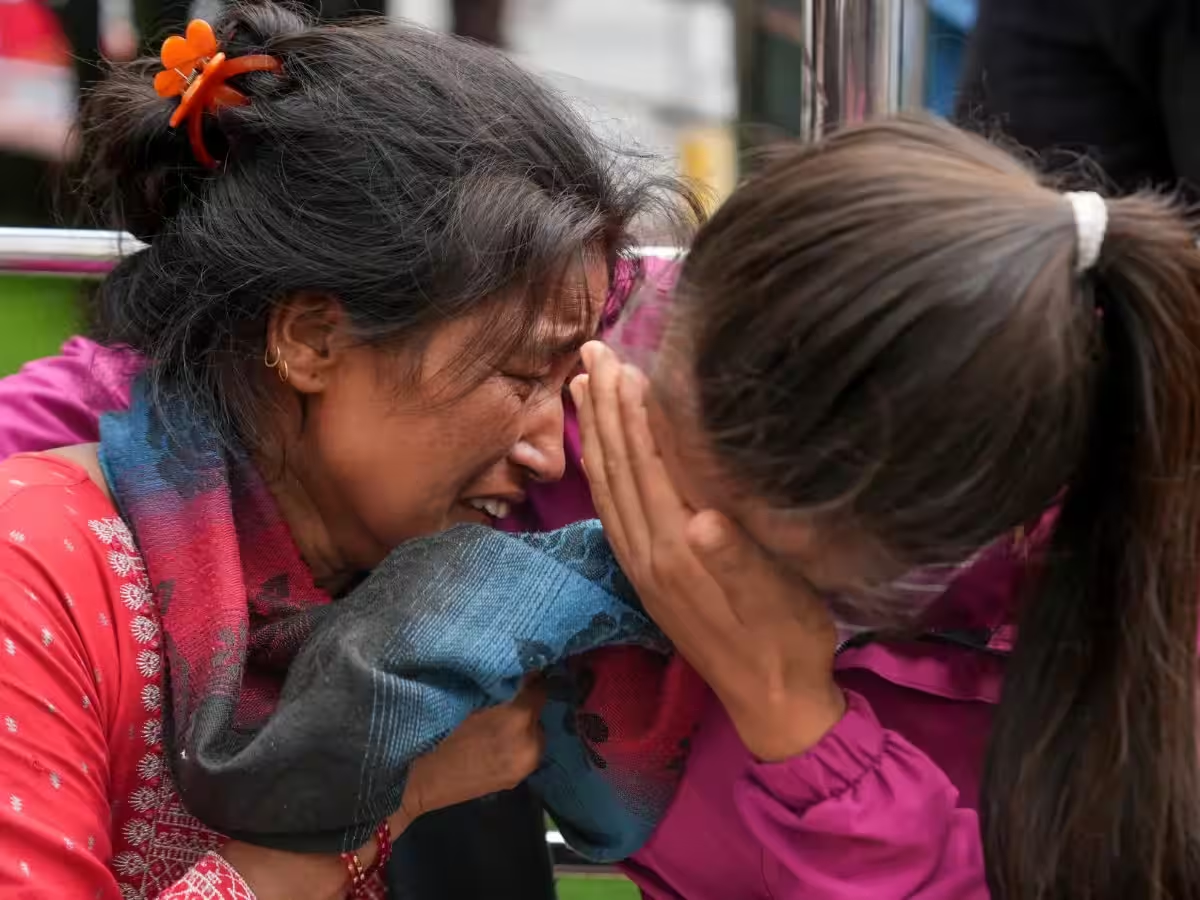
People supporting one another during flood responseIllustrative flood-response image
Featured · Emergency relief

When the water recedes, the work is only beginning

After a flood, the first need may be safe water or a dry place to sleep. The next need is a way to recover: help finding services, replacing essential items, and making a plan for the days ahead.

Keep Humanity First’s emergency approach connects immediate relief with practical follow-up. Local partners help identify households under pressure, coordinate safe support, and listen for what families need next.

Community members working togetherIllustrative community image
Community recovery

A safer route home

Recovery is not only about replacing what was lost. It is also about helping a family understand which services are available, what documents they need, and who can help them take the next step.

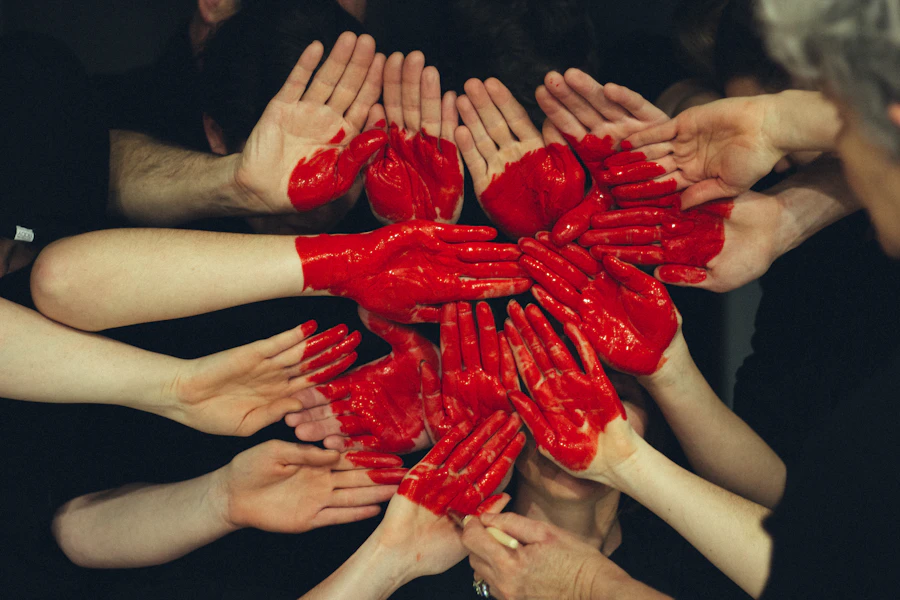
People joining hands in a circleIllustrative partnership image
Local partnership

The people who already know the way

In a crisis, local knowledge can make support more useful. Community organizations understand language, access, safety, and trust. Our role is to listen, coordinate, and strengthen what is already working.

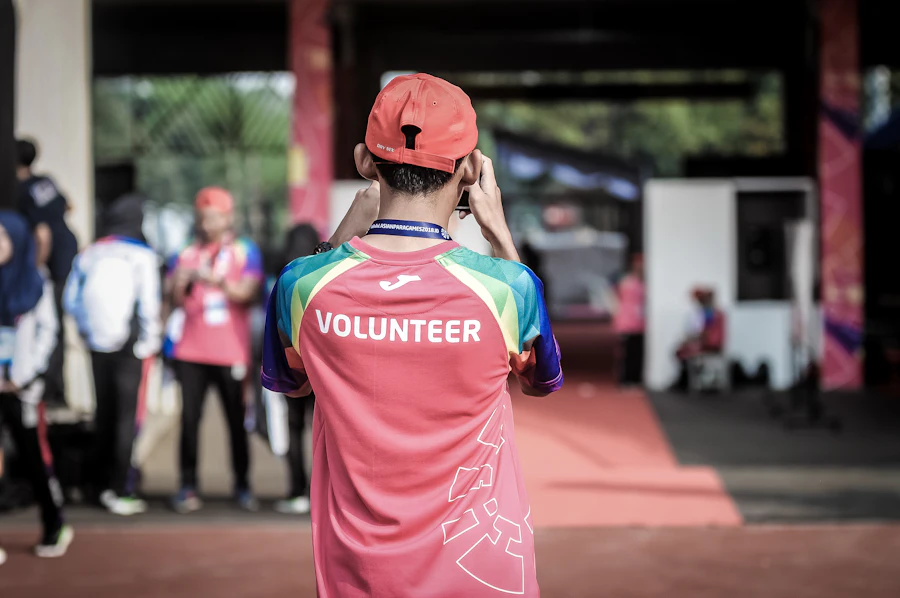
Volunteers standing together outdoorsIllustrative volunteer image
Volunteer action

Small tasks, real momentum

A volunteer may translate a message, organize supplies, make a careful referral, or help a team keep accurate records. Reliable support behind the scenes helps frontline work move with care.

About these stories. This page uses representative narratives to explain how our work is designed. Verified beneficiary stories will be added only with informed consent, safeguarding review, and accurate documentation.

Our storytelling standard

We write about people rebuilding their lives, not people defined by hardship. We avoid language like "this poor family had nothing," and instead describe context, agency, and outcome factually.

Consent, always

Every published person's image and story has documented consent under Keep Humanity First's photography and storytelling policy. No AI-generated people are presented as real beneficiaries, staff, or volunteers.